Sell Land To A Developer in FL: Guide for Landowners
Selling Land To A Developer in FL: The Basics
If you want to sell your land to developers, the process is more involved than a typical residential sale -- but it can also be significantly more lucrative. Developers are purchasing parcels for residential communities, retail centers, industrial facilities, and mixed-use projects across Florida, and they bring a different set of priorities than a standard homebuyer would.
The core steps are straightforward: understand what your parcel is worth to a developer, prepare your documentation, find the right buyer, and negotiate a contract that protects your interests. A developer will typically conduct extensive due diligence before committing to a final price, so the more information you can provide upfront, the smoother the transaction tends to go. This guide walks you through each stage so you can sell your land with confidence.
Background: Selling Land To A Developer in Florida
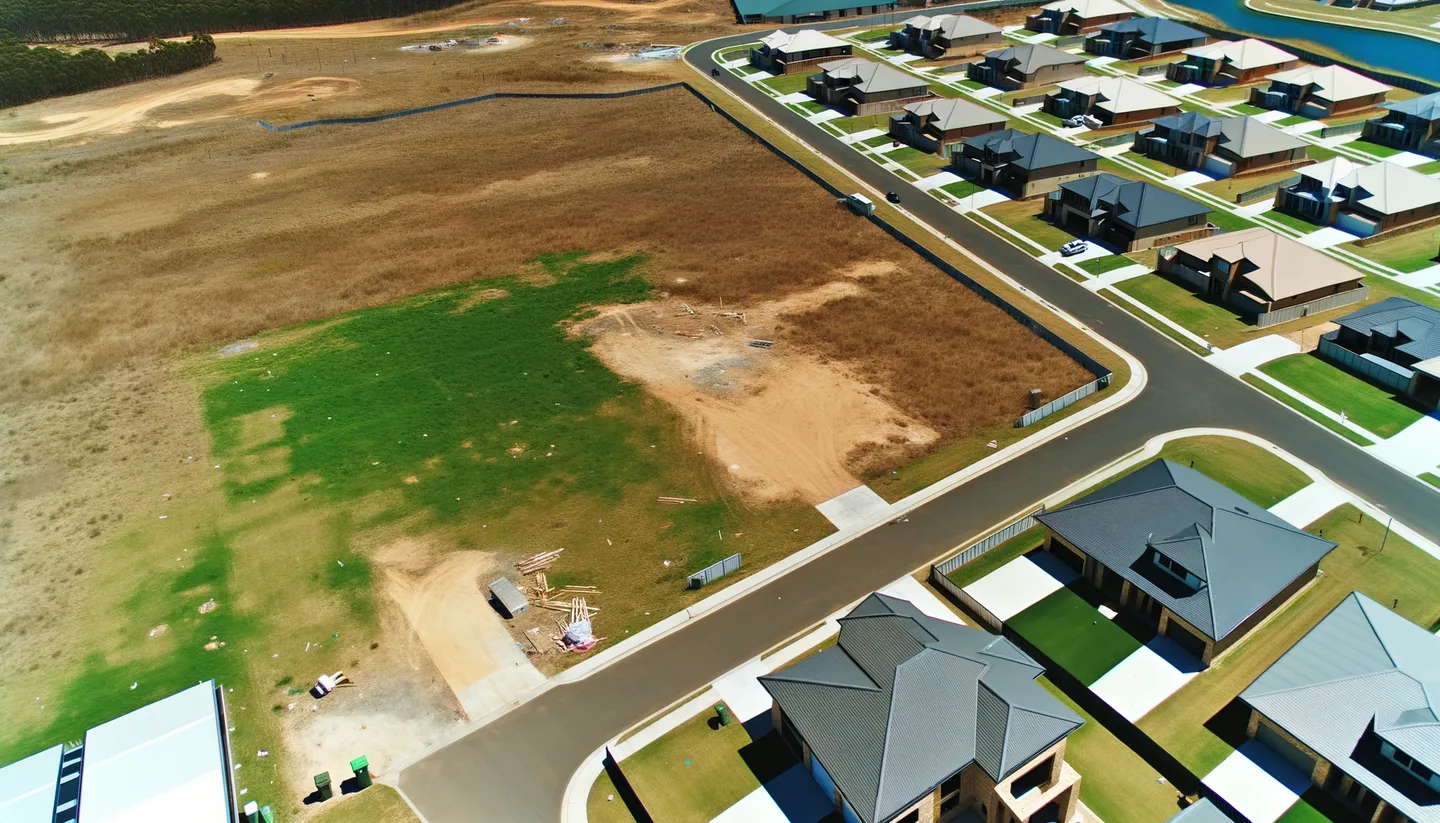
Florida's growth story makes it one of the most active land markets in the country. According to U.S. Census Bureau data, Florida added over 475,000 new residents in 2024 alone. That kind of population surge drives demand for new housing, retail, and infrastructure -- which means land developers and land buyers are actively searching for developable parcels in every corner of the state.
For any landowner looking to sell, that demand creates real opportunity. The value of your land isn't just what it's worth today as raw acreage -- it's what a developer can build on it tomorrow. Location, access to utilities, road frontage, and proximity to growing communities can significantly increase what a developer is willing to pay. Understanding those factors puts you in a much stronger negotiating position.
There are several ways a landowner can approach this type of transaction. Some property owners choose to work with a real estate agent who specializes in land sales. Others market their land directly to potential developers through outreach or online listings. Some pursue joint ventures, partnering with a developer rather than selling outright. Each path has trade-offs worth considering.
A real estate developer will almost always include a contingency period in their offer -- typically a due diligence window during which they assess zoning, environmental conditions, and local infrastructure before finalizing the land acquisition. According to Phelps Dunbar LLP, a well-structured land sale contract for development transactions in Florida typically provides around 60 days for this initial study period, sometimes followed by additional time to secure entitlements.
Understanding current market conditions before you list is essential. A real estate attorney familiar with commercial property transactions can provide insights into how similar sales have been structured, what due diligence requirements potential buyers typically bring, and how to protect yourself during the sale of land to a developer. Researching properties in your area that have recently sold gives you a baseline for what the market will bear and sets the stage for a successful sale.
Step-by-Step: How to Sell Land To A Developer in Florida
Knowing where to start is often the hardest part. Here is a practical sequence to follow when you want to sell land to a developer in Florida.
1. Assess your parcel's development potential. Before reaching out to anyone, review your current zoning classification and understand what types of development it permits. Zoning laws in Florida are set at the county and municipal level, so requirements vary. Consider whether your parcel is positioned near growth corridors, utilities, or major roads -- factors that developers weigh heavily. Florida state statute also requires every local government to maintain a Comprehensive Plan with a Future Land Use Map, which developers will consult during their research.
2. Gather your documentation. Developers often request surveys, soil reports, and title history early in the process. Having these materials ready speeds up due diligence and signals that you are a serious seller. If your parcel is part of a larger land holding or has deed restrictions, surface those details upfront.
3. Understand the real estate market and price realistically. Review recent land transactions in your area and consider consulting a land appraiser. Market trends -- including what types of development projects are active nearby -- will help you set realistic expectations for the sale of your property.
4. Identify the right buyers. You can list property online through commercial real estate platforms, reach out to local homebuilders and mixed-use developers directly, or work with a broker who specializes in development land. Targeting buyers who are already active in your submarket improves your odds of a serious offer.
5. Negotiate the contract carefully. Selling to a developer means navigating contingency clauses, earnest money timing, and extended closing timelines. In Florida, earnest money is normally due within three days of going under contract by default, though both the amount and timing are negotiable. Developers are skilled negotiators, so having professional representation when reviewing contract terms is strongly advised.
6. Support the due diligence process. Once under contract, be responsive. Local authorities may need to be engaged for zoning verification or variance requests. The smoother this stage runs, the less likely a deal falls apart before closing.
Florida-Specific Considerations for Selling Land To A Developer
The process of selling land in Florida comes with a set of state-specific rules and costs that every landowner should understand before going to contract.
Documentary stamp tax. According to the Florida Department of Revenue, the state levies a documentary stamp tax of $0.70 per $100 of consideration on most real property transfers. On a $500,000 development land sale, that amounts to $3,500 at closing. Miami-Dade County follows a different structure: $0.60 per $100 for the base rate, plus a $0.45 per $100 discretionary surtax on vacant land sold to developers. On a $500,000 vacant lot in Miami-Dade, the total tax due is $5,250. Knowing this upfront helps you model your net proceeds accurately.
Capital gains tax. Florida does not impose a state income tax or state capital gains tax, which is a meaningful advantage. The process of selling development land here means you face only federal capital gains obligations. Long-term federal rates run 0%-20% depending on income, and an additional 3.8% Net Investment Income Tax applies if your income exceeds $200,000 (single) or $250,000 (married filing jointly). Sellers with higher price outcomes should consult a tax advisor early.
1031 exchange eligibility. If you are concerned about the tax impact on land value, a Section 1031 exchange allows you to defer federal capital gains by reinvesting proceeds into a like-kind replacement property. Raw land qualifies. You must identify a replacement property within 45 days of closing and complete the purchase within 180 days.
Agricultural classification. Under Florida Statute §193.461, land actively used for farming can qualify for significantly reduced property taxes. Importantly, listing your property for sale does not disqualify the parcel from agricultural classification, as long as bona fide agricultural use continues. This can affect market value calculations and listing your property strategy, so potential buyers will want to understand whether a reclassification is expected post-sale.
Title and closing requirements. Florida requires a title search before closing, which typically takes about one week. Commercial real estate and zoning regulations can further complicate timelines if title clouds exist. Although Florida does not legally require an attorney to close a transaction, an attorney is strongly recommended for any land development deal, since these contracts are complex and the selling process often involves negotiating entitlement contingencies.
Common Questions About Selling Land To A Developer in Florida
How much will a developer pay for land?
There is no single answer, because purchase price depends on location, size, zoning, and what the developer plans to build. Developers typically work backward from projected revenue -- what they expect the finished development to generate -- then subtract construction costs, profit margin, and carrying costs to arrive at a land offer. Undeveloped land near growing metro areas commands a premium right now given Florida's population growth. Reviewing what similar properties have sold for in your market gives you a realistic baseline, and a qualified real estate professional or land appraiser can help you interpret those comparables in context.
How to avoid paying capital gains when selling land?
The most commonly used strategy for property owners is a Section 1031 exchange, which allows you to defer federal capital gains tax by rolling the proceeds into a qualifying like-kind replacement property. Land for development qualifies as long as the parcel being sold was held for investment or business use rather than primarily for resale. Buyers may also structure installment sales as another approach. Since Florida charges zero state capital gains tax, your exposure is entirely at the federal level -- but that can still be substantial, so involving a tax advisor and planning consultants before closing is wise. Rezoning or land development activity on your parcel prior to sale can shift your tax classification, so timing matters.
Can You Sell Land to a Developer Without a Solicitor?
In Florida, there is no legal requirement to hire an attorney to close a real estate transaction. That said, developers are skilled at structuring contracts that favor their interests, and vacant land deals with entitlement contingencies are among the more complex transactions in the local zoning and sale process landscape. Having a real estate attorney or experienced real estate professional review your contract before you sign protects you from unfavorable terms around earnest money forfeiture, due diligence extensions, and land development contingencies. For a straightforward vacant lot sale at a lower price point the risk may feel manageable, but for any significant transaction, professional representation is worth the cost.
Your Options for Selling Land To A Developer in FL
Selling land to developers in Florida is one of the most financially rewarding exits available to landowners right now, given the state's growth trajectory. The key is going in prepared -- understanding your zoning status, factoring in closing costs like documentary stamp tax, accounting for environmental conditions and any required environmental assessments, and structuring a contract that gives you appropriate protections.
Whether your parcel is zoned for residential, commercial, or agricultural use, or sits in a zone with mixed-use potential, there is likely a developer who wants to talk. Landowners in high-growth corridors -- including areas like Pasco County and Brevard County -- are seeing strong developer interest right now.
If you have questions about your specific parcel or want a no-pressure conversation about your options, feel free to reach out. We are happy to help you understand what your land may be worth and what a developer sale might look like for your situation.
Need to sell your Florida land? We buy land directly from owners for cash, with no fees, no commissions, and we close in as little as 2 weeks.
Loading form...
Sell Your Florida Land for Cash
Ready to sell? We buy land directly from owners across Florida. Get a fast, no-obligation cash offer.